Sign up for
Admission
Update
Sign up for
Admission
Update
Sign up for
Admission
Update
Rooted in tradition.
Cultivating the next generation of STEM leaders.
The Princeton STEM Initiative was founded on a simple but deeply held belief: exceptional intellectual curiosity deserves equally serious guidance.
We place particular value on students’ intellectual vision, especially their capacity to ask ambitious questions and pursue ideas with depth, as well as their ability to collaborate thoughtfully with others.
Today, the Princeton STEM Initiative operates as a collaborative academic effort supported by a network of mathematicians, educators, and scholars, including an advisory board composed of professors and researchers from Princeton, MIT, Harvard, and other leading universities. Through this collective work, we aim to help cultivate the next generation of intellectually serious thinkers and STEM talent, and to foster a community where high-potential students can challenge one another, deepen their thinking, and grow with purpose.

2026 Academic Advisory Board
Supported by the best in the field.

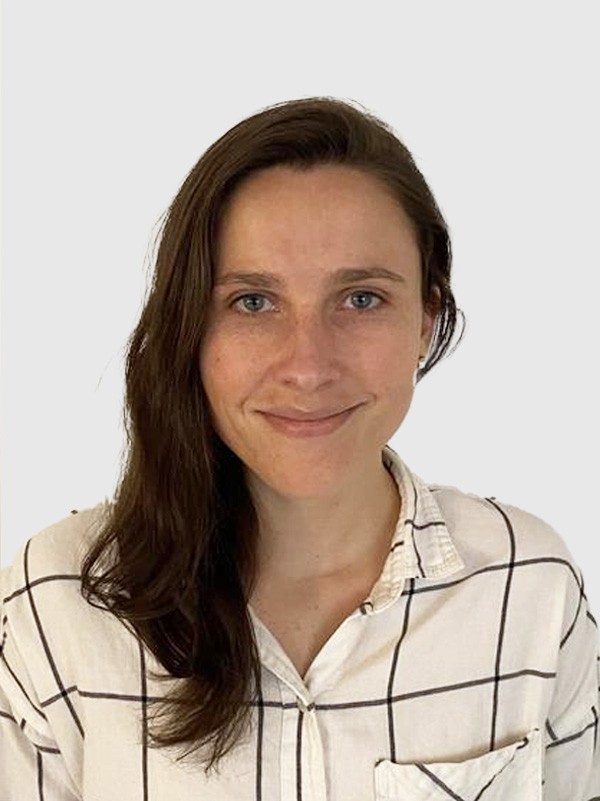
Dr. Jodi S. Kraus
Dr. Jodi Kraus is a Research Fellow in Princeton University’s Department of Molecular Biology. A Helen Hay Whitney Foundation Fellow, her research focuses on protein dynamics and cellular mechanisms. She is also committed to teaching and mentoring future scientists.
Princeton
Dr. Jodi S. Kraus
Dr. Jodi Kraus is a Research Fellow in Princeton University’s Department of Molecular Biology. A Helen Hay Whitney Foundation Fellow, her research focuses on protein dynamics and cellular mechanisms. She is also committed to teaching and mentoring future scientists.
Princeton
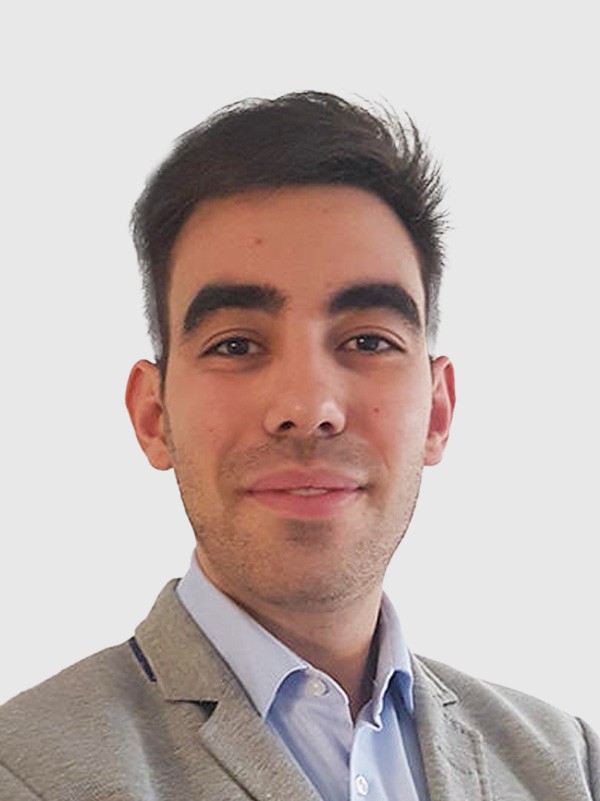
Dr. Giuseppe Ferro
Dr. Giuseppe Ferro is a Research Fellow at Princeton University’s High Meadows Environmental Institute. His interdisciplinary work spans climate science, earth systems, and decision-making under uncertainty, integrating economics and physics to study global climate transitions.
Princeton
Dr. Giuseppe Ferro
Dr. Giuseppe Ferro is a Research Fellow at Princeton University’s High Meadows Environmental Institute. His interdisciplinary work spans climate science, earth systems, and decision-making under uncertainty, integrating economics and physics to study global climate transitions.
Princeton

Dr. Tian Zhao
Dr. Tian Zhao is a research scientist at Princeton University’s Department of Chemistry, developing cutting-edge 3D multi-resolution systems to track particles in complex environments. His work advances nanoscale imaging and dynamic particle tracking technologies.
Princeton
Dr. Tian Zhao
Dr. Tian Zhao is a research scientist at Princeton University’s Department of Chemistry, developing cutting-edge 3D multi-resolution systems to track particles in complex environments. His work advances nanoscale imaging and dynamic particle tracking technologies.
Princeton
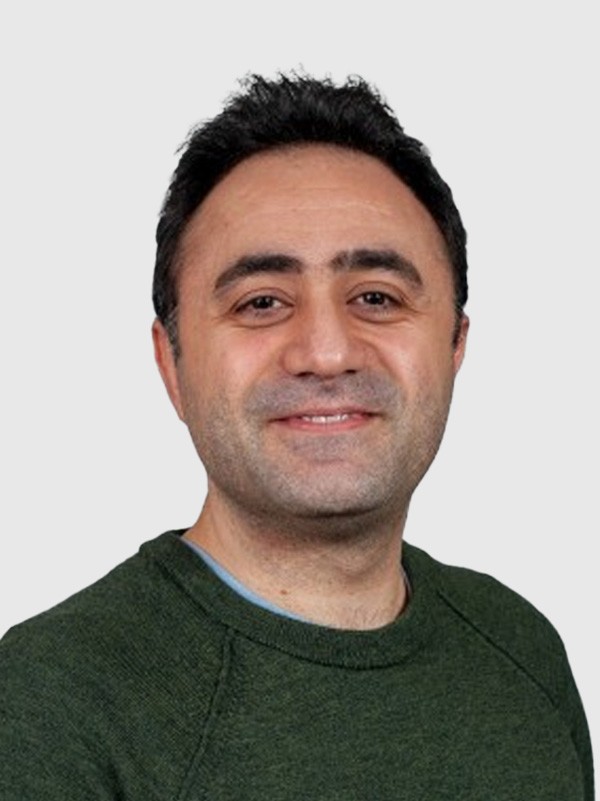
Dr. Birol Ay
Dr. Birol Ay is a Research Fellow at Harvard University and Massachusetts General Hospital’s Endocrine Unit. His research investigates how G proteins regulate skeletal FGF23 hormone production, an important pathway in kidney disease. He integrates advanced imaging and computational approaches in hormone biology.
Harvard Medical School / Massachusetts General Hospital
Dr. Birol Ay
Dr. Birol Ay is a Research Fellow at Harvard University and Massachusetts General Hospital’s Endocrine Unit. His research investigates how G proteins regulate skeletal FGF23 hormone production, an important pathway in kidney disease. He integrates advanced imaging and computational approaches in hormone biology.
Harvard Medical School / Massachusetts General Hospital
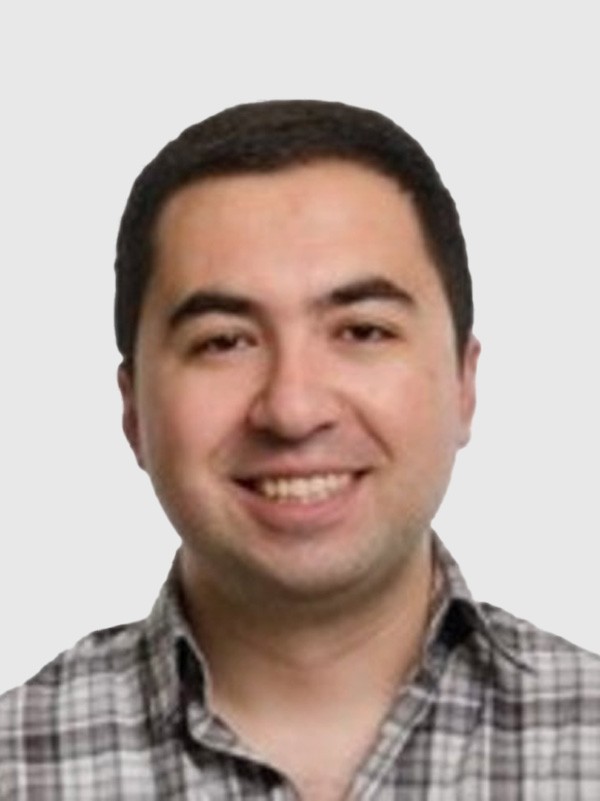
Dr. Hakan Coskun
Dr. Hakan Coskun is a Research Fellow in Pediatrics at Harvard Medical School and Boston Children’s Hospital. His work integrates systems biology and genetic mechanisms underlying congenital heart disease. He combines experimental models with computational methods to uncover cardiac development pathways.
Harvard Medical School / Boston Children's Hospital
Dr. Hakan Coskun
Dr. Hakan Coskun is a Research Fellow in Pediatrics at Harvard Medical School and Boston Children’s Hospital. His work integrates systems biology and genetic mechanisms underlying congenital heart disease. He combines experimental models with computational methods to uncover cardiac development pathways.
Harvard Medical School / Boston Children's Hospital
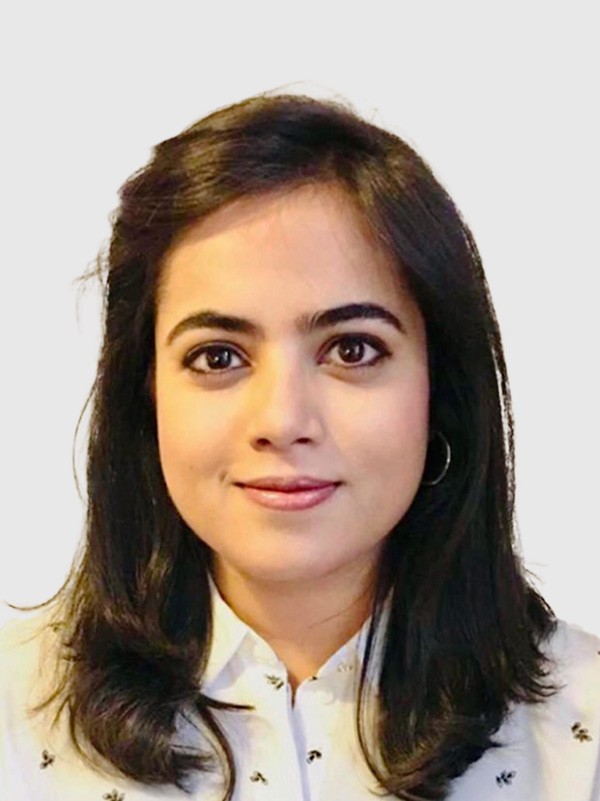
Dr. Hannah Rana
Dr. Hannah Rana received her PhD from Harvard University and works at the intersection of astrophysics and instrumentation. Her research contributes to advanced imaging and mission development, supporting cutting-edge space exploration technologies.
Harvard
Dr. Hannah Rana
Dr. Hannah Rana received her PhD from Harvard University and works at the intersection of astrophysics and instrumentation. Her research contributes to advanced imaging and mission development, supporting cutting-edge space exploration technologies.
Harvard

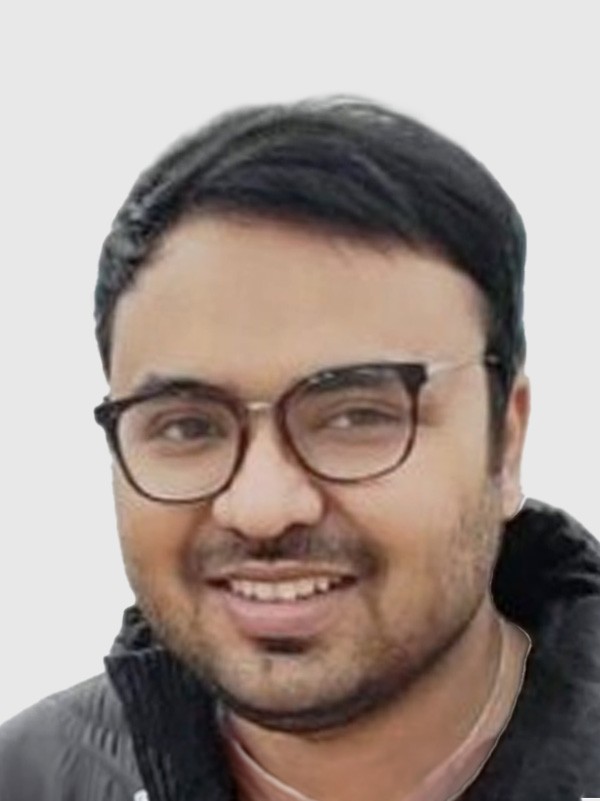
Dr. Biswadeep Khan
Dr. Biswadeep Khan is a researcher at Stanford University’s Department of Psychiatry and Behavioral Sciences. He studies neural circuits underlying social behavior using advanced imaging and computational analysis. His work bridges neuroscience and technology innovation.
Stanford
Dr. Biswadeep Khan
Dr. Biswadeep Khan is a researcher at Stanford University’s Department of Psychiatry and Behavioral Sciences. He studies neural circuits underlying social behavior using advanced imaging and computational analysis. His work bridges neuroscience and technology innovation.
Stanford

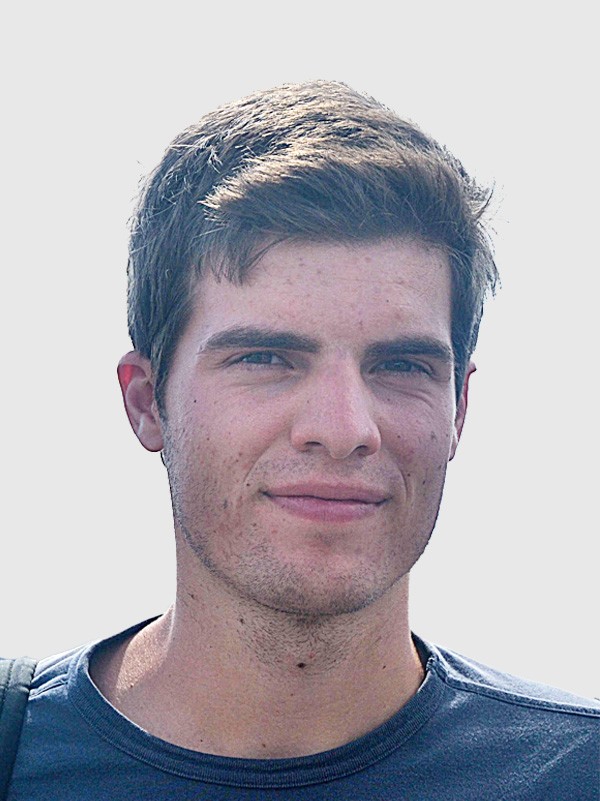
Dr. Benoit Legat
Dr. Benoit Legat is an Assistant Professor in Mathematical Engineering at UCLouvain, Belgium and a former researcher at MIT. His research focuses on numerical optimization and convex analysis, with applications in engineering and computational mathematics. In this youth, he has represented Belgium in International Mathematical Olympiad.
MIT & KU Leuven / UCLouvain
Dr. Benoit Legat
Dr. Benoit Legat is an Assistant Professor in Mathematical Engineering at UCLouvain, Belgium and a former researcher at MIT. His research focuses on numerical optimization and convex analysis, with applications in engineering and computational mathematics. In this youth, he has represented Belgium in International Mathematical Olympiad.
MIT & KU Leuven / UCLouvain
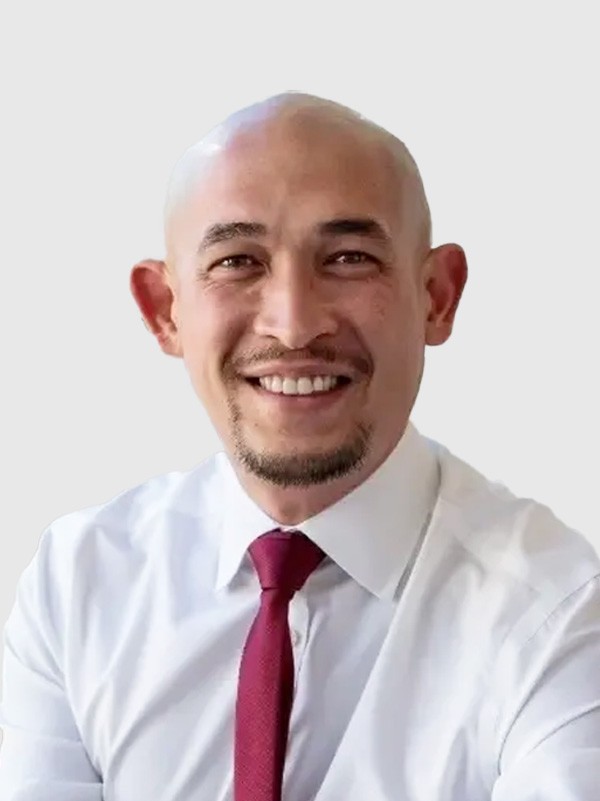
Dr. Karl Muth
Dr. Karl Muth is an economist and public policy scholar with experience in finance, economics, and regulatory systems. He has advised financial institutions and founded technology ventures, working at the intersection of academia and industry.
Chicago / Northwestern
Dr. Karl Muth
Dr. Karl Muth is an economist and public policy scholar with experience in finance, economics, and regulatory systems. He has advised financial institutions and founded technology ventures, working at the intersection of academia and industry.
Chicago / Northwestern
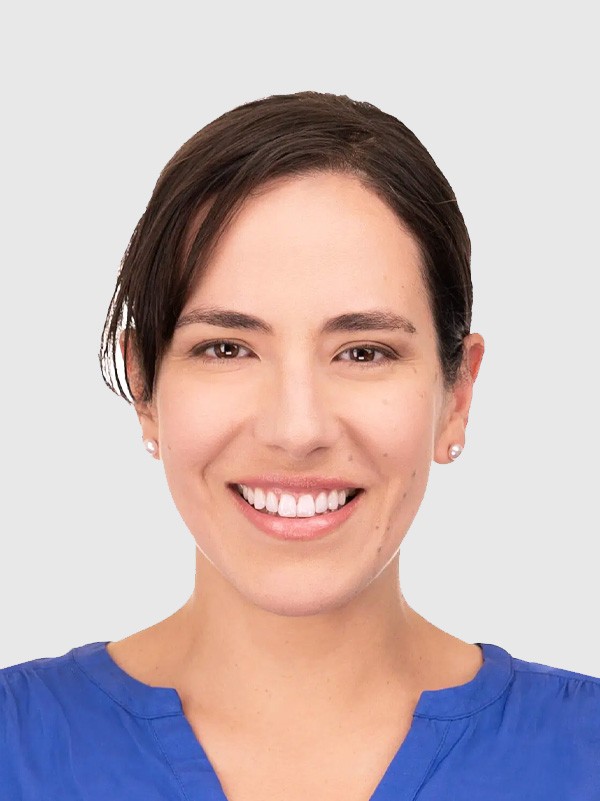
Dr. Markita del Carpio Landry
Dr. Markita del Carpio Landry is an Assistant Professor at UC Berkeley. Her research advances nanotechnology-based tools for imaging and gene regulation. A recipient of multiple honors including the NIH Director’s New Innovator Award, she develops molecular tools for precision biology.
UC Berkeley
Dr. Markita del Carpio Landry
Dr. Markita del Carpio Landry is an Assistant Professor at UC Berkeley. Her research advances nanotechnology-based tools for imaging and gene regulation. A recipient of multiple honors including the NIH Director’s New Innovator Award, she develops molecular tools for precision biology.
UC Berkeley

Dr. George Anwar
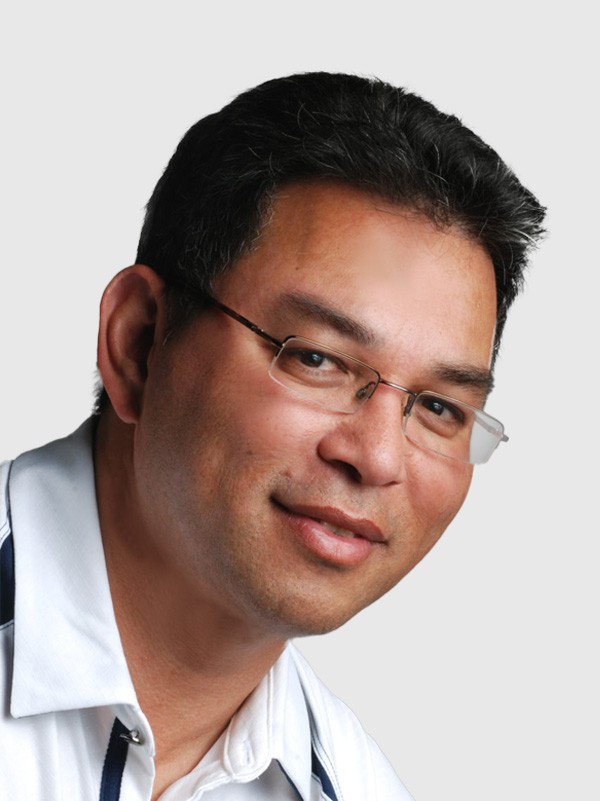
Dr. George Anwar is a Lecturer at UC Berkeley and co-founder of a biotech and controls engineering consulting firm. He has worked with leading organizations including IBM, Ford, Applied Materials, and NASA. With over 17 years of teaching experience, he specializes in embedded systems, real-time programming, and modern control theory, bringing hands-on, real-world innovation into academia.
UC Berkeley
Dr. George Anwar
Dr. George Anwar is a Lecturer at UC Berkeley and co-founder of a biotech and controls engineering consulting firm. He has worked with leading organizations including IBM, Ford, Applied Materials, and NASA. With over 17 years of teaching experience, he specializes in embedded systems, real-time programming, and modern control theory, bringing hands-on, real-world innovation into academia.
UC Berkeley


Dr. Warren Hua-Lun Li
Dr. Warren Li is a Stanford Science Fellow specializing in PDEs and mathematical physics. His research analyzes black hole singularities. He earned his PhD in Mathematics from Princeton University and previously completed his undergraduate studies at the University of Cambridge, where he ranked first in his year during all three undergraduate years.
Stanford
Dr. Warren Hua-Lun Li
Dr. Warren Li is a Stanford Science Fellow specializing in PDEs and mathematical physics. His research analyzes black hole singularities. He earned his PhD in Mathematics from Princeton University and previously completed his undergraduate studies at the University of Cambridge, where he ranked first in his year during all three undergraduate years.
Stanford

Dr. Bart Ripperda
Dr. Bart Ripperda is an Assistant Professor at CITA. He is a leading developer of the Black Hole Accretion Code and a member of the Event Horizon Telescope collaboration, which produced the first image of a supermassive black hole. As part of the collaboration, he received the Breakthrough Prize in Fundamental Physics, the Einstein Medal, and the Bruno Rossi Prize.
Canadian Institute for Theoretical Astrophysics
Dr. Bart Ripperda
Dr. Bart Ripperda is an Assistant Professor at CITA. He is a leading developer of the Black Hole Accretion Code and a member of the Event Horizon Telescope collaboration, which produced the first image of a supermassive black hole. As part of the collaboration, he received the Breakthrough Prize in Fundamental Physics, the Einstein Medal, and the Bruno Rossi Prize.
Canadian Institute for Theoretical Astrophysics

Dr. Alexander Mushtukov
Dr. Alexander Mushtukov is a fellow at Oxford and UCL. His research combines computational modeling, X-ray polarimetry, and QED to investigate extreme accretion and cosmic magnetic fields. His work has been featured in journals including Nature Astronomy and Nature Communications.
Oxford
Dr. Alexander Mushtukov
Dr. Alexander Mushtukov is a fellow at Oxford and UCL. His research combines computational modeling, X-ray polarimetry, and QED to investigate extreme accretion and cosmic magnetic fields. His work has been featured in journals including Nature Astronomy and Nature Communications.
Oxford


Dr. Sathya Subramanian
Dr. Sathya Subramanian is a Royal Society University Research Fellow at Oxford. His research spans quantum algorithms, complexity theory, and machine learning, with applications ranging from physics to bioinformatics. His work has appeared in Nature Communications and many leading computer science conferences.
Cambridge
Dr. Sathya Subramanian
Dr. Sathya Subramanian is a Royal Society University Research Fellow at Oxford. His research spans quantum algorithms, complexity theory, and machine learning, with applications ranging from physics to bioinformatics. His work has appeared in Nature Communications and many leading computer science conferences.
Cambridge

Dr. Baird Howland
Dr. Baird Howland is a UPenn researcher. His research on partisan news consumption, political echo chambers, and misinformation has been published in leading journals including Science Advances and Public Opinion Quarterly. He earned his PhD in Communication from the University of Pennsylvania and was originally trained in physics at Cornell University.
UPenn
Dr. Baird Howland
Dr. Baird Howland is a UPenn researcher. His research on partisan news consumption, political echo chambers, and misinformation has been published in leading journals including Science Advances and Public Opinion Quarterly. He earned his PhD in Communication from the University of Pennsylvania and was originally trained in physics at Cornell University.
UPenn